Year 7 PE Revision
An interactive worksheet on the 11 Components of Fitness.
Please enter your name to begin.
Part 1: The "Power Trio"
Let's start with three related components: Strength, Speed, and Power.
Strength
The maximum force that can be generated by a muscle or muscle group.
Speed
The distance divided by time; how fast you can move your body or a body part.
Power
The ability to exert maximum muscular force in the shortest time. It's a combination of Strength and Speed.
Key Formula: Power = Strength x Speed
Part 1: Quiz (Page 1 of 5)
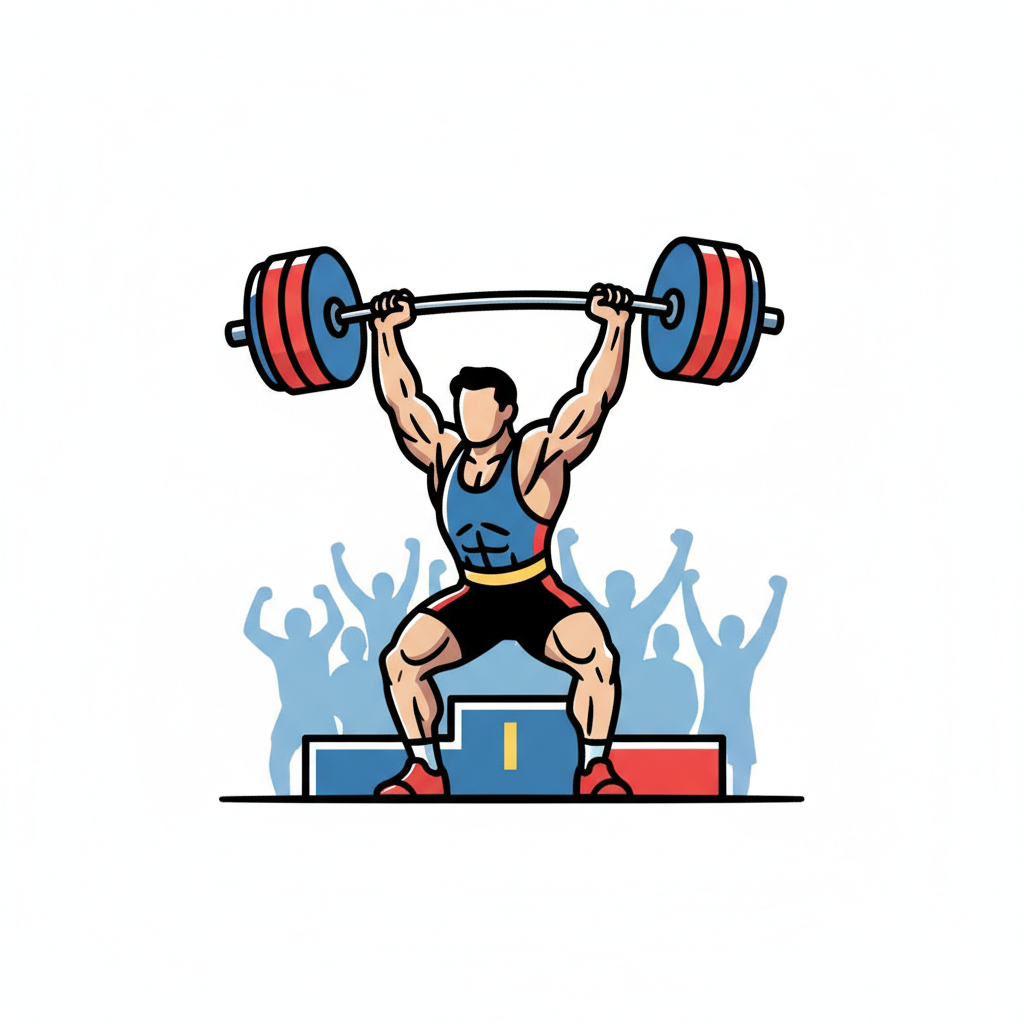
Weightlifter
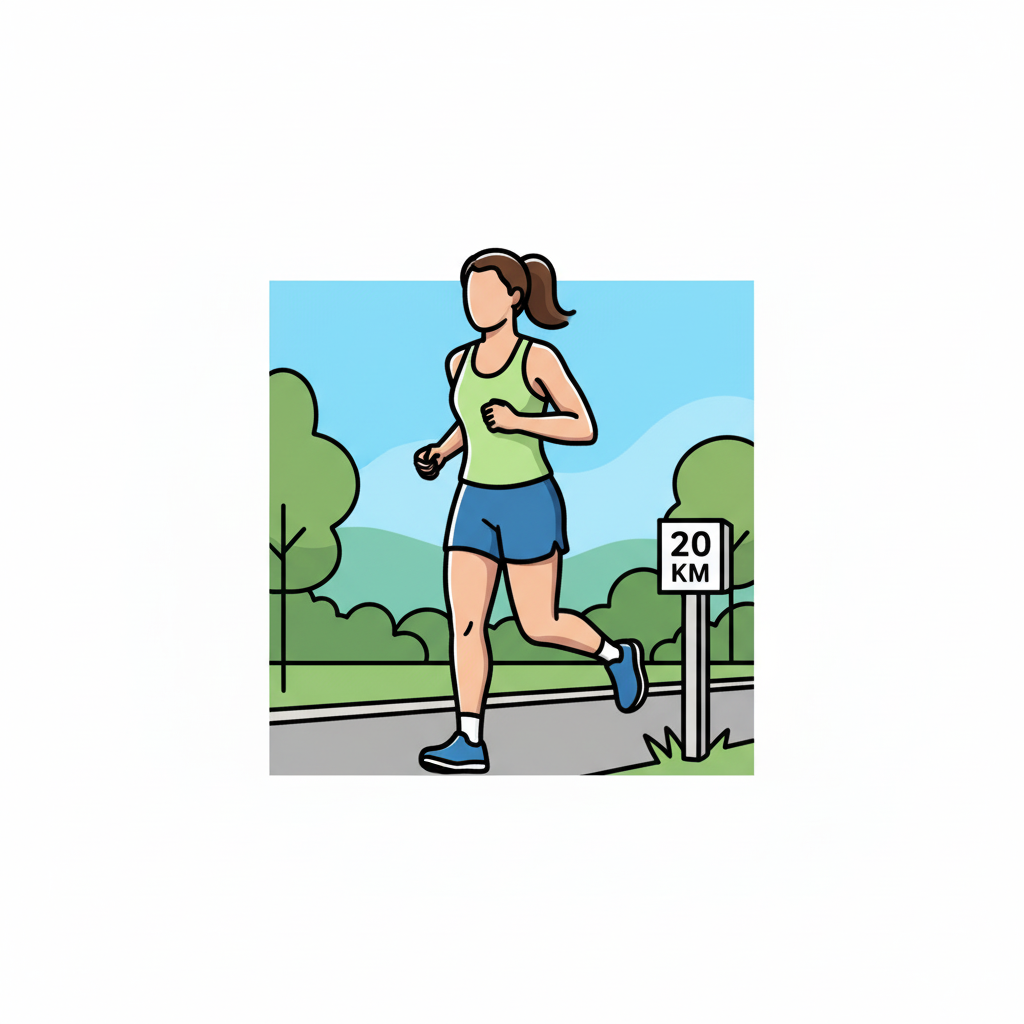
Marathon Runner
Please answer all 3 questions.
Part 2: The "Endurance Pair"
These two are about lasting a long time, but in different ways.
Aerobic Endurance
The ability of the cardiorespiratory system (heart and lungs) to supply oxygen to muscles to sustain work and delay fatigue. This is for *low-medium intensity* work (like a marathon) and must be over 30 minutes.
Muscular Endurance
The ability of the muscular system to continue to contract at a *light to moderate intensity*. This allows for repetitive movements (like rowing or cycling) throughout a long event.
Key Difference:
- Aerobic = Heart & Lungs (Oxygen supply)
- Muscular = Muscles (Repeating contractions)
Part 2: Quiz (Page 2 of 5)
Please answer all 3 questions.
Part 3: Body Control
These components are all about controlling your body's movements.
Flexibility
The range of motion possible at a joint.
Balance
The ability to maintain your centre of mass over a base of support.
Agility
The ability to change the position of the entire body rapidly and accurately while moving.
Coordination
The ability to use two or more body parts together smoothly and efficiently.
Part 3: Quiz (Page 3 of 5)
Please answer all 3 questions.
Part 4: The Final Two
Let's finish the last two definitions.
Reaction Time
The duration between the presentation of a stimulus (like a starting pistol) and the initiation of the motor response (the start of the movement).
Body Composition
The relative ratio of fat mass to fat-free mass in the body.
Key Idea:
- Reaction Time = Time to *start* moving (not how fast you move).
- Body Composition = What your body is made of (fat vs. muscle/bone).
Part 4: Quiz (Page 4 of 5)
Please answer all 3 questions.
Mid-Way Review (Page 5 of 5)
Let's check the first 5 components. Drag the component to its correct definition.
Please complete the drag and drop activity.
Final Challenge: All 11 Components!
This is the final test. Match all 11 components to their definitions.
Please complete the drag and drop activity.
Revision Complete!
This is your 1st attempt.